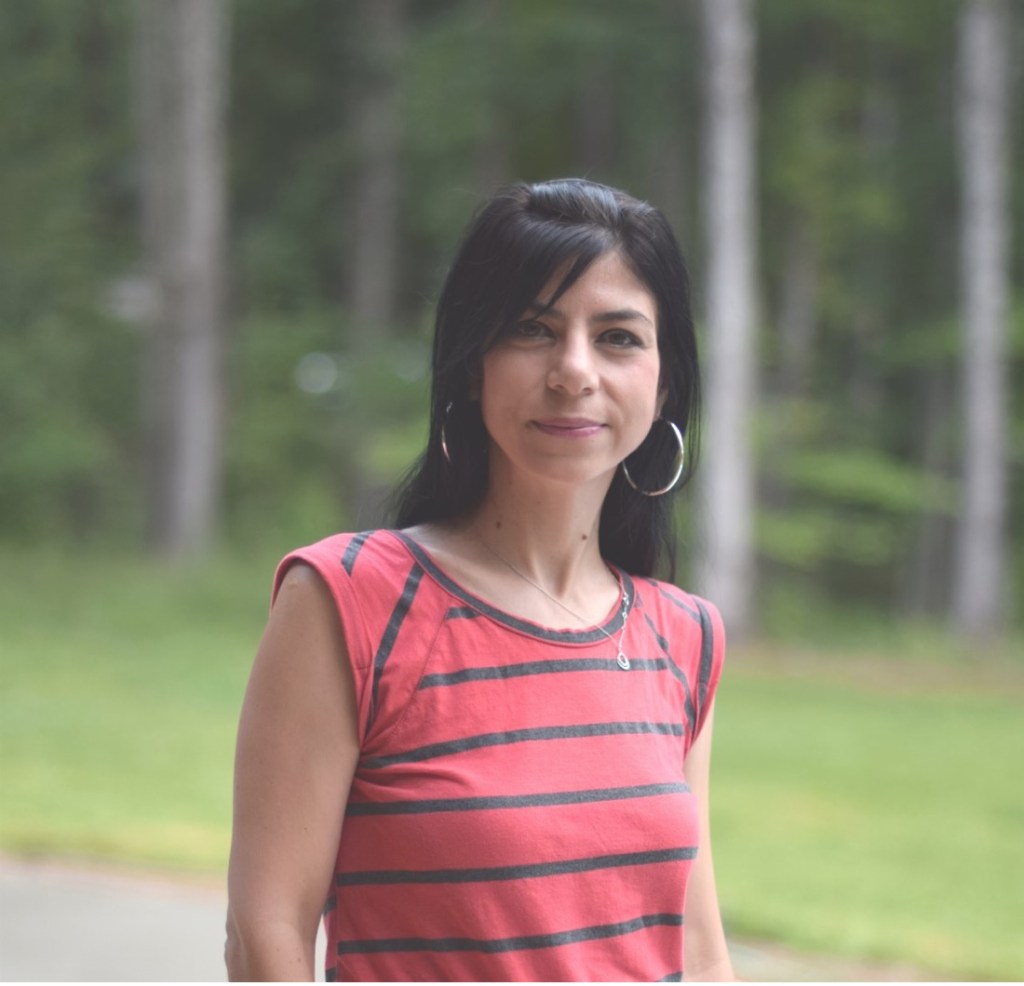
Dr. Raina Kostova is a Professor of English in the English Department. A Plovdiv, Bulgaria native, Kostova earned her B.A. in English from The American University in Bulgaria before going on to earn her M.A. in English from The University of Maine – Orono and her Ph.D. in Comparative Literature from Emory University.
Kostova, who has been working at JSU since 2006, is teaching Contemporary European Literature, Non-Western Literature, and English Composition this semester. As much as working with first-year students in English Composition excites Kostova, who is able to learn about “their academic and personal goals through writing and class discussions,” she does not have a favorite course. In Contemporary European Literature, students ” examine [20th and 21st Century] texts through their own life experiences and look at philosophical and theoretical ideas from the Enlightenment through Postmodernity and beyond.” Kostova explained that for Non-Western Literature, “[they] discuss an array of ancient and modern texts from non-western cultures and examine topics such as gender representation and definition, intersections between religions and cultures, and the influence of non-western ideas on European and American literatures.” In doing so, her class will look at works from writers like Enheduanna, the first known writer to sign their work with their name, and Murasaki Shikibu, the first known novelist “whose precociously feminist ideas strike us as remarkably modern.”
Kostova loves that her job enables her to have great relationships with her students and her colleagues, all of whom teach her something new every day. “For example, as Coordinator of First-Year Writing, I have had more opportunities to learn ideas about how to improve my teaching and engage students more effectively,” she said. Regarding the English Department itself, Kostova finds joy in the passion that those involved – faculty and students – have for finding new ways to interpret literature and the real world surrounding us. She also enjoys having colleagues who possess never-ending support and ingenuity.
Currently, Kostova is writing a conference presentation titled “Diversity, Equity, and ‘The Master’s Tools,” that highlights As a Woman: What I Learned about Power, Sex, and the Patriarchy After I Transitioned, written by transgender author Paula Williams. “I find that Audre Lorde’s concept of “the master’s tools” from her 1980 essay “Age, Race, Class, and Sex: Women Redefining Difference” is especially helpful in analyzing Williams’ autobiographical narrative,” Kostova said. “My work on this presentation is closely related to teaching a course on Women’s Literature, in which my students and I looked at the work of both Audre Lorde and Paula Williams. I am excited to be teaching Women’s Literature again in Spring 2022.”
Kostova’s research topics typically consist of contemporary literary theory, women’s literature, Russian and Non-Western literature, and philosophy. Appropriately, she has “publications on the contemporary Austrian Nobel Prize laureate Elfriede Jelinek, the twentieth-century American poet and harbinger of postmodernism Wallace Stevens, and the early twentieth-century Russian poet Osip Mandelstam, whose poems [she has] also co-translated from Russian into English.”
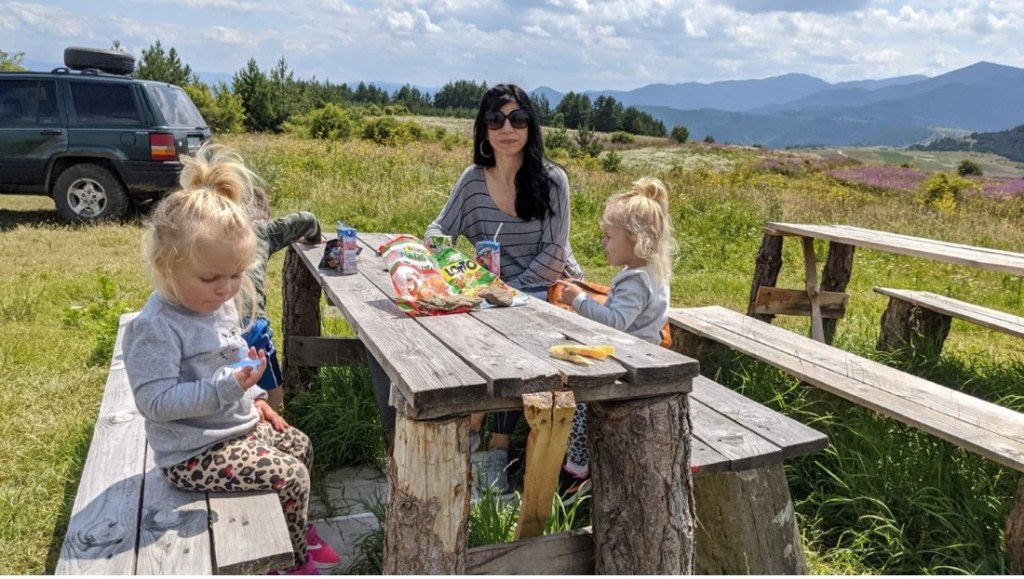
Much of (what would be) Kostova’s spare time is occupied by her children. She and her husband have a five-year-old son and a pair two-year-old twin girls, so she frequents playgrounds on her weekends, “swinging or going down on slides with the toddlers” and having fun. If she had spare time, Kostova would dedicate it to learning a new language, reading, traveling, hanging out with friends, playing video games, and taking online courses for various subjects.
Kostova’s advice to her students is as follows: “Follow your heart’s inclinations when it comes to choosing the important things in life. It’s worth taking the risk.”
 JSU Arts, Humanities & Sciences Blog
Leave a comment