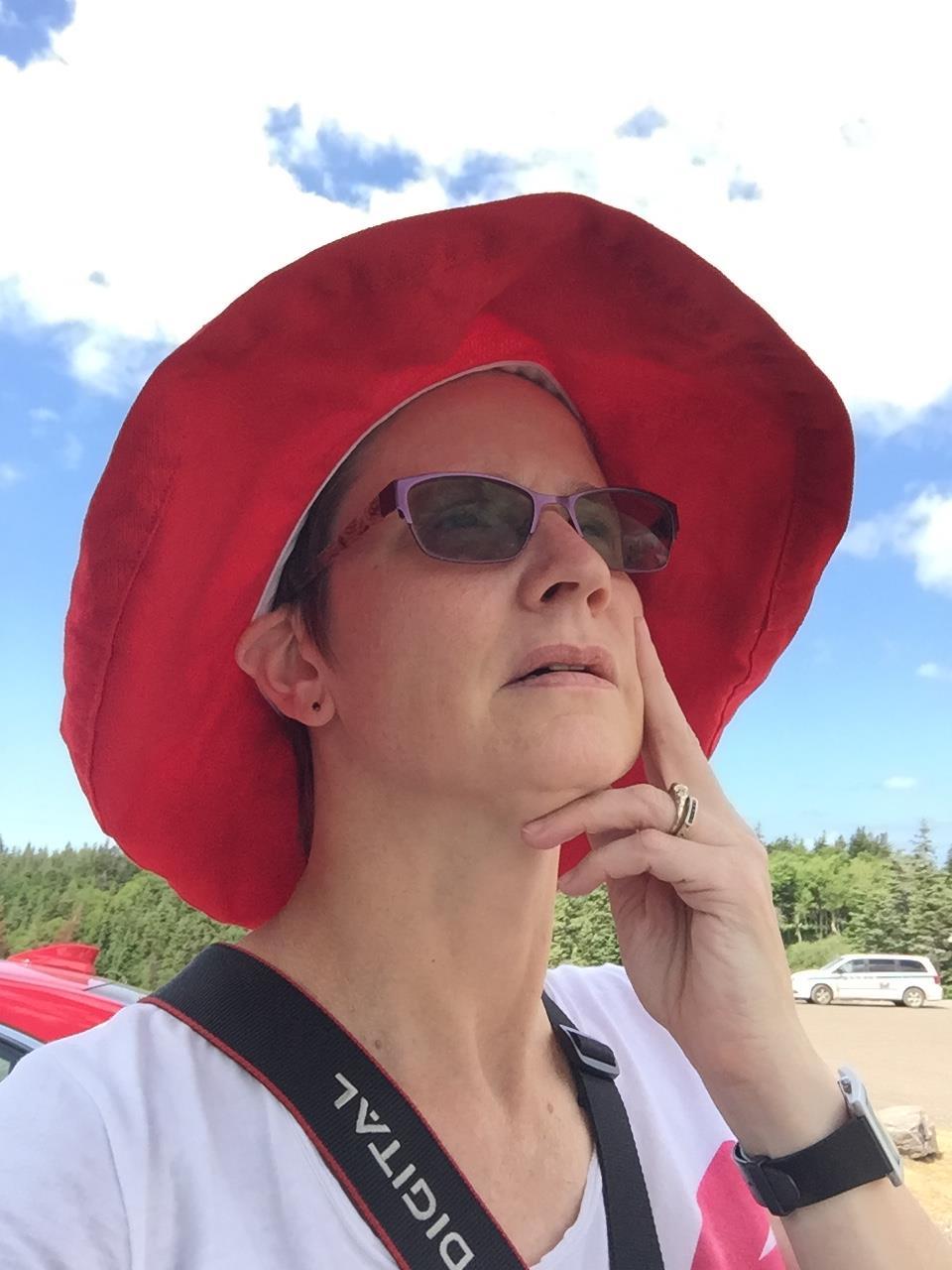
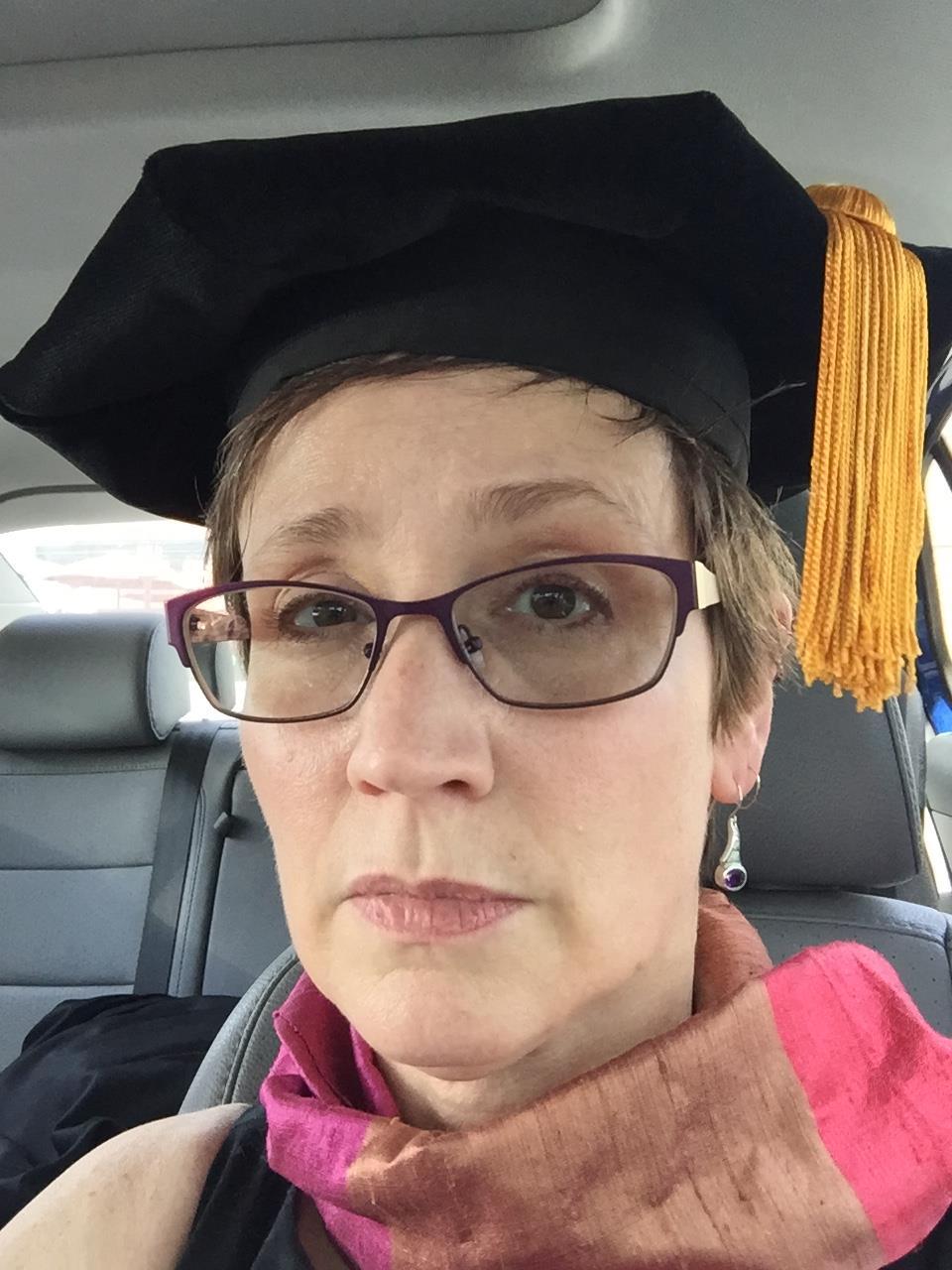
Dr. Teresa Reed, professor of English, advises all English majors/minors at JSU and teaches a variety of English classes—from Freshman Composition to Middle English Literature. She is also an active scholar. Recently, she presented “The Place Where You Live: Digital Humanities as Accessible Pedagogy” at the biennial meeting of the New Chaucer Society in July 2018.
Reed says that she knew that she wanted to pursue a career in English when she was a 13-year-old girl in Livingston, Alabama. Her father was also an English professor, so she suspects that teaching Literature runs in her family. Being an academic advisor is another important part of Reed’s job. Dr. Felgar, head of the English department, asked her to become the English major advisor after she expressed an interest in helping at a couple of advising events.
“I enjoy meeting English majors and discussing their plans for the future, sometimes helping them figure out things, but more often learning from them about various possibilities I had never considered,” Reed explained. “Also, this position allows me to get to know the program pretty well and think about ways that the major might be revised to better serve our students and what they need to succeed professionally.”
Some of the courses Reed teaches regularly are Honors courses, meaning that they are composed entirely of students in the Honors Program and are generally more discussion-based. Reed enjoys the curiosity that students bring to these classes.
“Honors students just want to know stuff. They tend to think that learning is cool, so even if I teach Honors Literature with not a single English major, the students are still really engaged and into what we are doing.” She also admires the wide variety of viewpoints that exist in Honors classes, claiming that each semester her students teach her something new about the literature she has taught for years.
Reed’s relationship with her coworkers is one of her favorite parts about teaching at JSU. “Faculty members here are among the finest in the land as educators and as colleagues and friends,” she insisted. “Knowing there are people all around campus with good advice who are willing to talk teaching any time keeps me constantly learning and developing as a teacher.”
Reed offers this advice to college students: “Take the time to enjoy the experiences that college can afford you, many free or much cheaper than might be available later in life. There is travel, there are experiences like service or internships, and there are just all the social activities that go on every day. Keep your priorities on getting your grades and your degree, for sure, but also experience college and being on your own. Learn who you are and what you enjoy by trying new things.”
She clearly follows her own advice; she took the opportunity to travel to Toronto, Canada, last summer to present “The Place Where You Live,” which is about creating digital humanities projects for students as a way for students to bring in interests outside typical approaches to the study of literature.
Reed’s hobbies include cooking, playing with her cats, reading, and playing video games, but perhaps her most frequent habit is inspiring her students. When asked about the most important lesson a student could learn in her class, she replied, “I hope that students learn that all this stuff is connected. Whether it’s writing or the close analysis of literature, all the skills we use in a literature class are transferable into other areas of life, and the perspectives we develop add to our understanding of being alive right here, right now. Also, I hope that they might walk out with a greater appreciation of literature or at least one story or poem or book.”
 JSU Arts, Humanities & Sciences Blog
Leave a comment